Home › Garage and Basement Concrete Floors
Upgrade your storage and living space with new concrete garage and basement floors in Chesapeake, VA. We pour level interior slabs that support vehicles, equipment, and finished flooring. Our team addresses drainage, vapor barriers, and reinforcement to help prevent future issues. Request a free quote for garage or basement concrete floors today.
Superior Concrete Chesapeake provides professional concrete garage floor throughout Chesapeake, VA, Virginia and the surrounding area. Our licensed, insured crew delivers safe, clean, on-time work with a free estimate before anything begins. Call (757) 780-5778 or request your free quote.
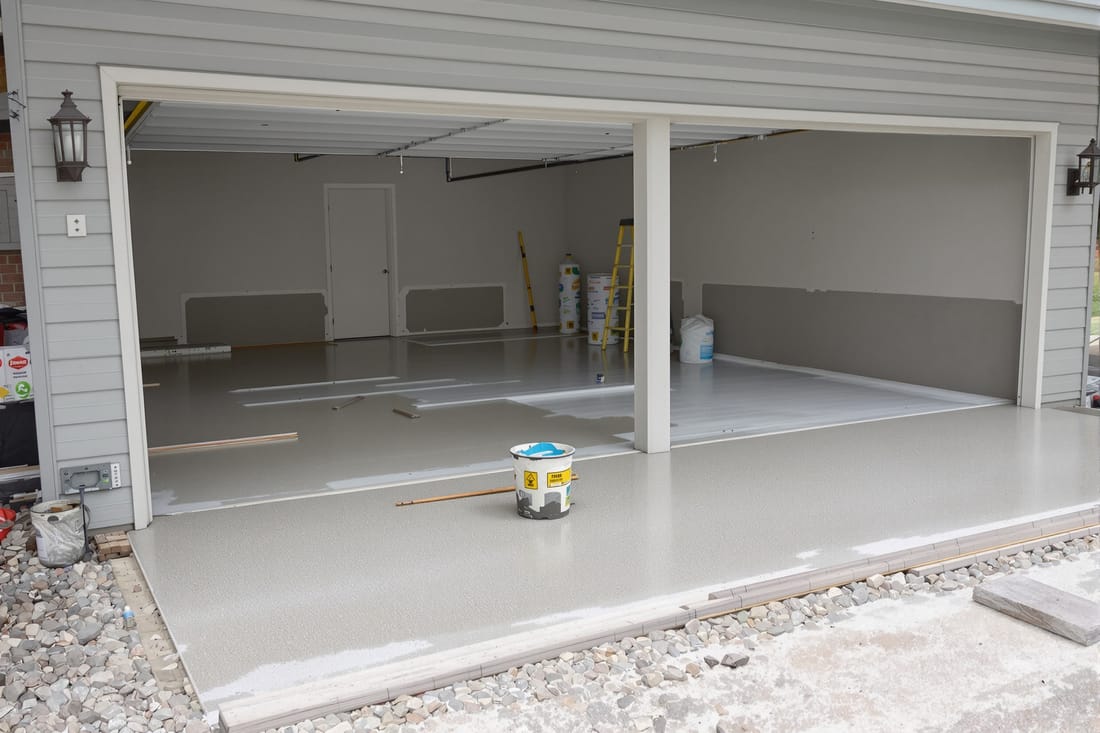
Durable concrete garage floors for Chesapeake homes
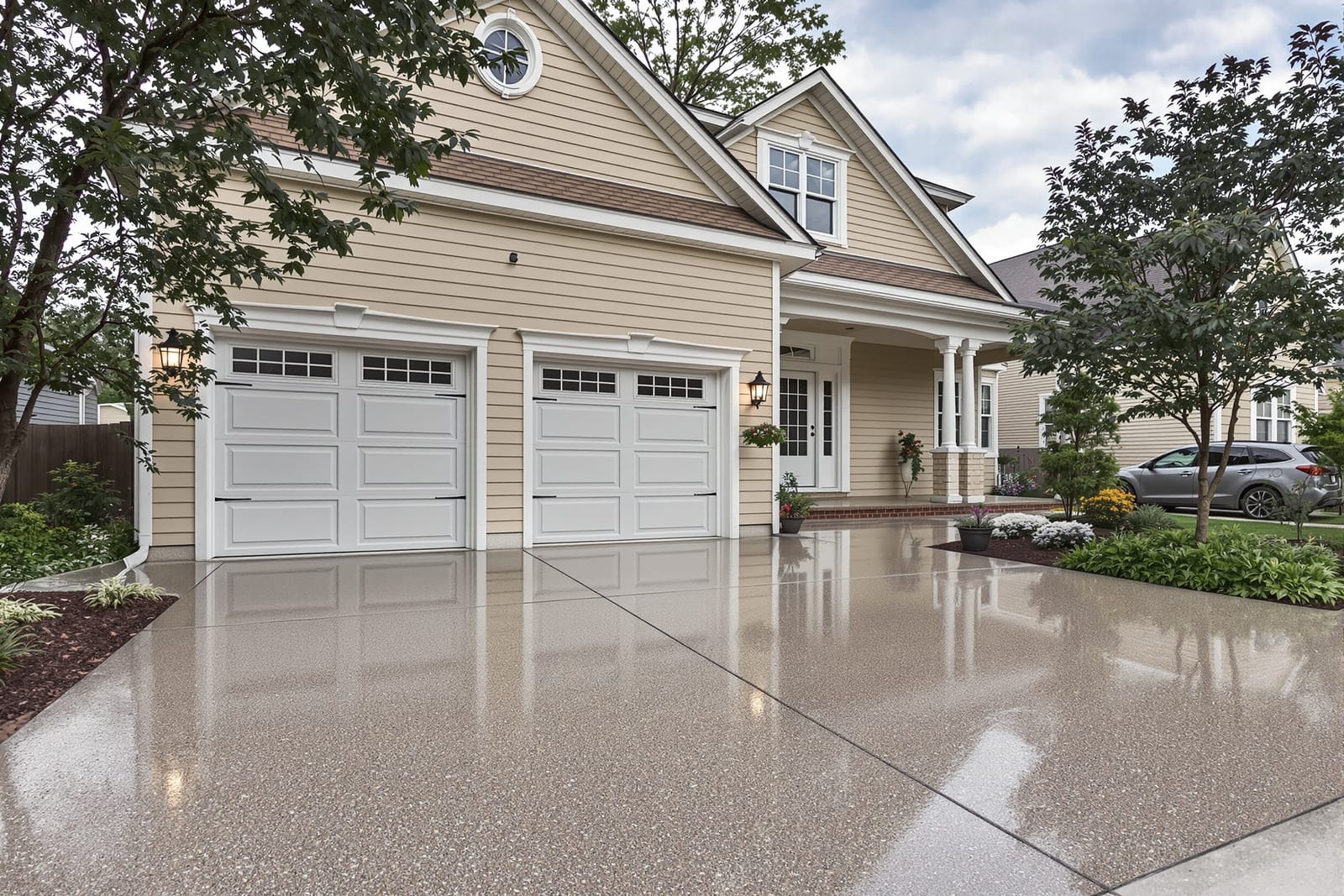
A concrete garage floor in Chesapeake has to handle more than parked cars. Summer heat, winter freezes, coastal humidity, and road salt from nearby tunnels and bridges all work on the slab. Superior Concrete Chesapeake designs and pours garage floors that are thick enough, reinforced correctly, and finished properly so they hold up to local conditions for decades.
We start with a site visit to look at your existing garage or proposed footprint. We check grading, drainage, and the condition of any current slab or asphalt. In many Chesapeake neighborhoods, garages sit on soil that can be soft or hold water after heavy rains. We factor that into our base preparation so the floor does not crack or settle later.
During your estimate, we talk through how you use the space. Daily parking, heavy woodworking tools, a home gym, or a boat each call for slightly different reinforcement, thickness, and surface finish. By tailoring the mix and design to your actual use, we avoid overbuilding where it is not needed and underbuilding where it will fail early.
Basement and lower-level concrete floors that stay dry and level
Basement concrete floors in Chesapeake and the surrounding Tidewater area must deal with a high water table and humid air for much of the year. If the slab is not prepared correctly, you can end up with moisture seeping through, musty odors, or flooring that peels and buckles.
Superior Concrete Chesapeake evaluates each basement space for signs of moisture, existing cracks, and any movement in the foundation walls. If we see issues, we address drainage or vapor problems first, often by adding a vapor barrier and sometimes by recommending improvements to gutters or exterior grading before we pour a new floor.
For finished basements that will receive carpet, vinyl plank, or tile, we pay close attention to flatness and transitions to stairs or adjoining rooms. We use leveling techniques and careful screeding so your flooring installer has a true, even surface to work on. This reduces future squeaks, tile cracking, or visible dips in the finished room.
How we install a long-lasting concrete garage floor
A quality concrete garage floor is the result of several precise steps, not just pouring and walking away. Our crews at Superior Concrete Chesapeake follow a consistent process that we adjust for each specific property.
First, we remove any old slab, asphalt, or loose material and haul it off. We then compact the subgrade and typically install 4 to 6 inches of crushed stone or gravel. In many Chesapeake yards, especially near waterways or low spots, we sometimes go a bit deeper or use a different base blend to improve drainage.
Next, we install forms that define the exact height and slope of the garage floor. Garages should usually slope slightly toward the overhead door so spills or snowmelt can flow out instead of back toward the house. In attached garages, we also set a small step or curb at the house wall to help protect living areas from any water.
We then place steel reinforcement, such as rebar grid or welded wire mesh, depending on slab size, thickness, and expected loads. For most residential garage slabs in Chesapeake, we recommend at least a 4-inch thickness with reinforcement, and we may go thicker for heavy trucks, RVs, or shop equipment.
Finally, we pour a ready-mix concrete that is chosen for the project. We strike it off to level, bull float to smooth, cut control joints at planned locations, and apply a non-slip finish. Once the surface has set enough, we return to saw-cut joints as needed to control where minor cracking will occur so it remains straight and discreet.
Basement floor preparation, repair, and replacement
Basement concrete work often begins with correcting what is already there. Many older Chesapeake homes have thin, uneven, or cracked basement slabs that were never meant to be finished living space. Before we talk about a new floor finish, we look at whether the existing concrete should be repaired, resurfaced, or completely replaced.
If the slab is generally sound but uneven, we grind down high spots and use patching materials or self-leveling toppings to correct low areas. For general cracking that does not involve movement, we clean and fill the cracks so they will not telegraph as badly through new coatings or overlays.
If the slab is severely cracked, has sections that have sunk, or frequently shows damp spots after rain, replacement is often the better investment. In that case, we break and remove the old floor, install a compacted stone base, lay a heavy-duty vapor barrier, and then pour a new concrete floor with the correct thickness. In some basements we incorporate a gentle slope to floor drains or sump pump pits so any water has a place to go instead of sitting on the surface.
We always coordinate with you on ceiling height and existing steps so that adding a new slab does not create headroom or stair riser issues. These small details matter to make sure your upgraded basement feels comfortable and passes building code checks.
Concrete mix, finishes, and coating options for garage and basement floors
Not every concrete garage floor needs to look the same. We offer several mix and finish options depending on budget, appearance goals, and how you plan to use the space.
For most Chesapeake garages, we recommend a standard 3000 to 4000 PSI concrete with air entrainment to better handle freeze-thaw cycles. Where de-icing salts are likely, we often suggest a penetrating sealer after cure to limit surface scaling over the years.
Surface finish options include a basic broom finish for good traction, a smooth troweled finish when a coating or epoxy is planned, or a light texture that balances easy cleaning with slip resistance. For basements that will be left as bare concrete, many homeowners like a steel trowel finish followed by a clear sealer or light gray stain so dust is reduced and the space feels brighter.
If you want a more decorative look, we can prep the slab for future epoxy or flake systems, or apply certain coatings ourselves, depending on the system chosen. We make sure the slab moisture levels are tested before installing any coating or flooring. This is especially important in Chesapeake because ground moisture can fluctuate after periods of heavy rain and nor’easters.
What affects the cost of a concrete garage floor or basement slab in Chesapeake
Concrete garage floor and basement projects in Chesapeake vary widely in price, but there are real, specific factors that drive the cost.
Access is one of the biggest items. A straightforward front driveway garage that a concrete truck can reach costs less than a detached garage behind a house that requires pumping. Basements with narrow stair access may need concrete moved by pump or buggy, which adds labor and equipment time.
Thickness and reinforcement level matter too. A basic residential garage with compact cars needs less concrete and steel than a workshop that will hold heavy machinery, a car lift, or a large boat. In basements, adding a robust vapor barrier, thicker slabs for future walls, or additional floor drains will increase material and labor costs but can protect future finished spaces.
Existing conditions also play a large role. Demolishing and hauling away an old slab, fixing poor drainage, or dealing with soft, wet subsoil all take additional steps. In some Chesapeake neighborhoods with older homes, we have to hand-dig around existing plumbing or work around limited property lines, and that careful labor shows up in the estimate.
Superior Concrete Chesapeake provides written estimates that spell out thickness, reinforcement, finish, and any prep or repair work, so you understand exactly what you are paying for and can compare fairly with any other quotes.
Why local experience matters for concrete floors in Chesapeake
Working in Chesapeake means working with clay-heavy soils, tidal-influenced groundwater, and weather that swings from humid heat to cold snaps that can freeze shallow slabs. A concrete garage floor or basement floor that might work fine in a drier inland climate can fail early here if it is not designed for our conditions.
Our crew at Superior Concrete Chesapeake lives and works in this region, and we have poured slabs in neighborhoods from Great Bridge and Greenbrier to Western Branch and Deep Creek. We know which areas tend to stay soggy after a storm, where tree roots are common, and how local codes apply to attached garages and basement egress.
We help you time your project around Chesapeake’s weather patterns whenever possible, avoiding days that are too hot, too windy, or too wet. This protects the curing process, which is crucial for a strong, durable floor. After the pour, we give you clear instructions for curing, sealing, and when it is safe to drive or place heavy items on the new surface.
By combining sound concrete practices with local knowledge, Superior Concrete Chesapeake builds garage and basement concrete floors that stay solid, flat, and usable long after the forms are pulled and the equipment is gone.